The Art of Choosing Art: A Comprehensive Guide
The Art of Choosing Art: A Comprehensive Guide
Selecting the perfect piece of art for your space is more than just finding something that matches your couch. It's about discovering pieces that resonate with you on a deeper level, that tell your story, and that bring joy every time you see them.
Why Art Matters in Your Space
Art isn't just decoration—it's expression. The right artwork can transform a room, create a focal point, set a mood, and reflect your personality. Whether you're an experienced collector or a first-time buyer, understanding how to choose art that speaks to you is essential.
Consider Your Space
Before diving into the vast world of art, take a moment to assess your space:
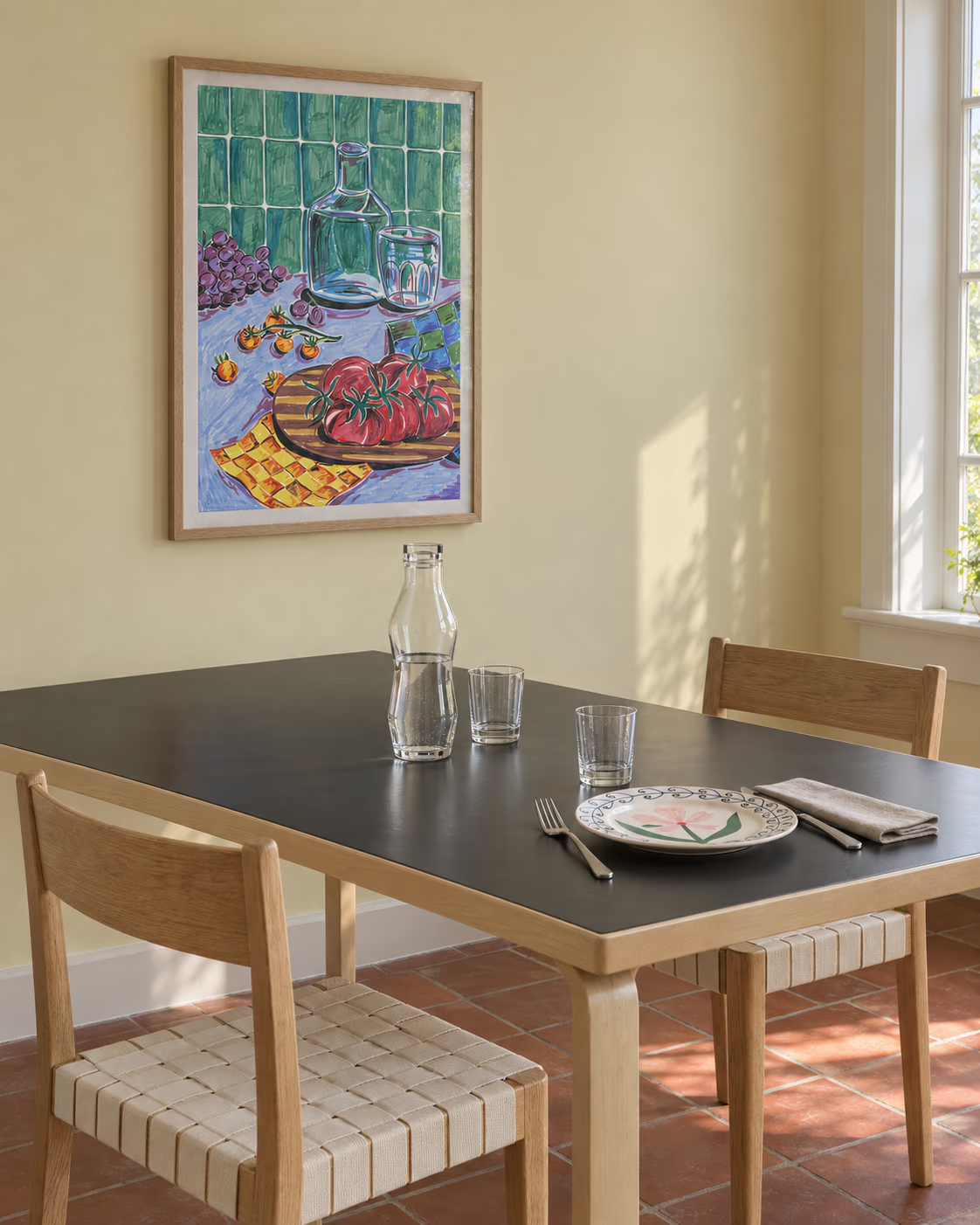
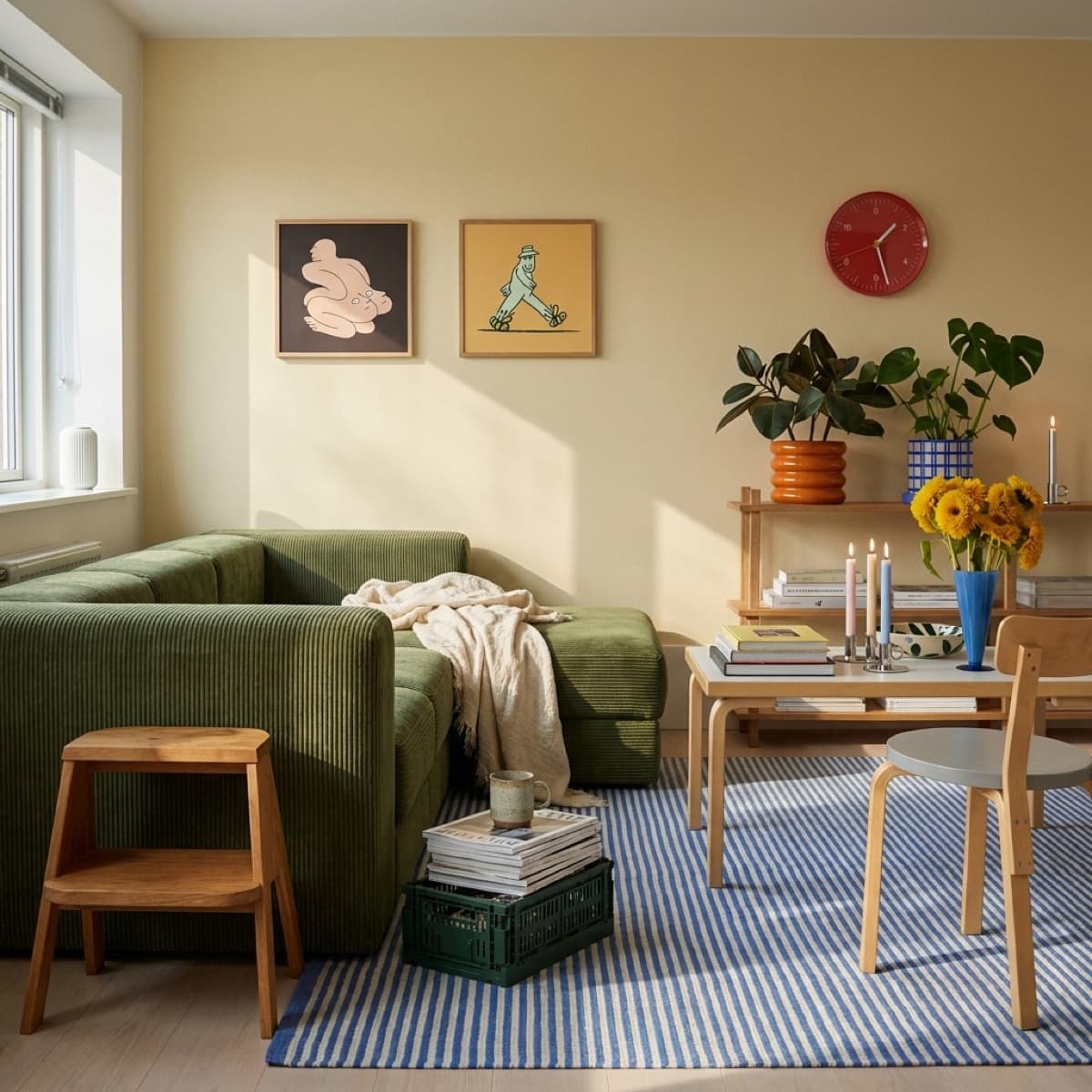
- Size and scale: Measure your walls to understand what dimensions would work best. A common mistake is choosing art that's too small for the wall.
- Lighting: Notice how natural and artificial light hits your walls throughout the day. Some mediums, like oil paintings, may require specific lighting considerations.
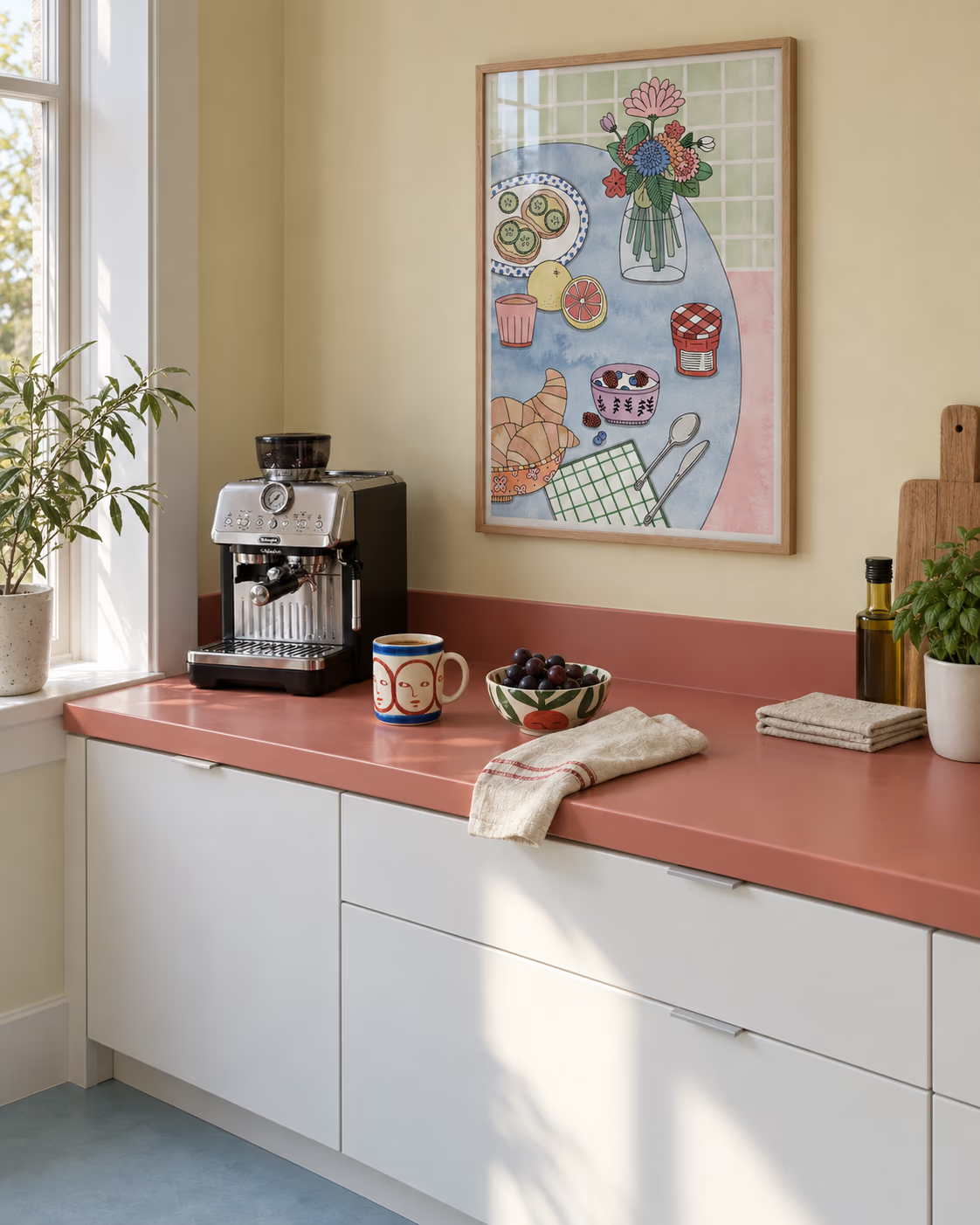
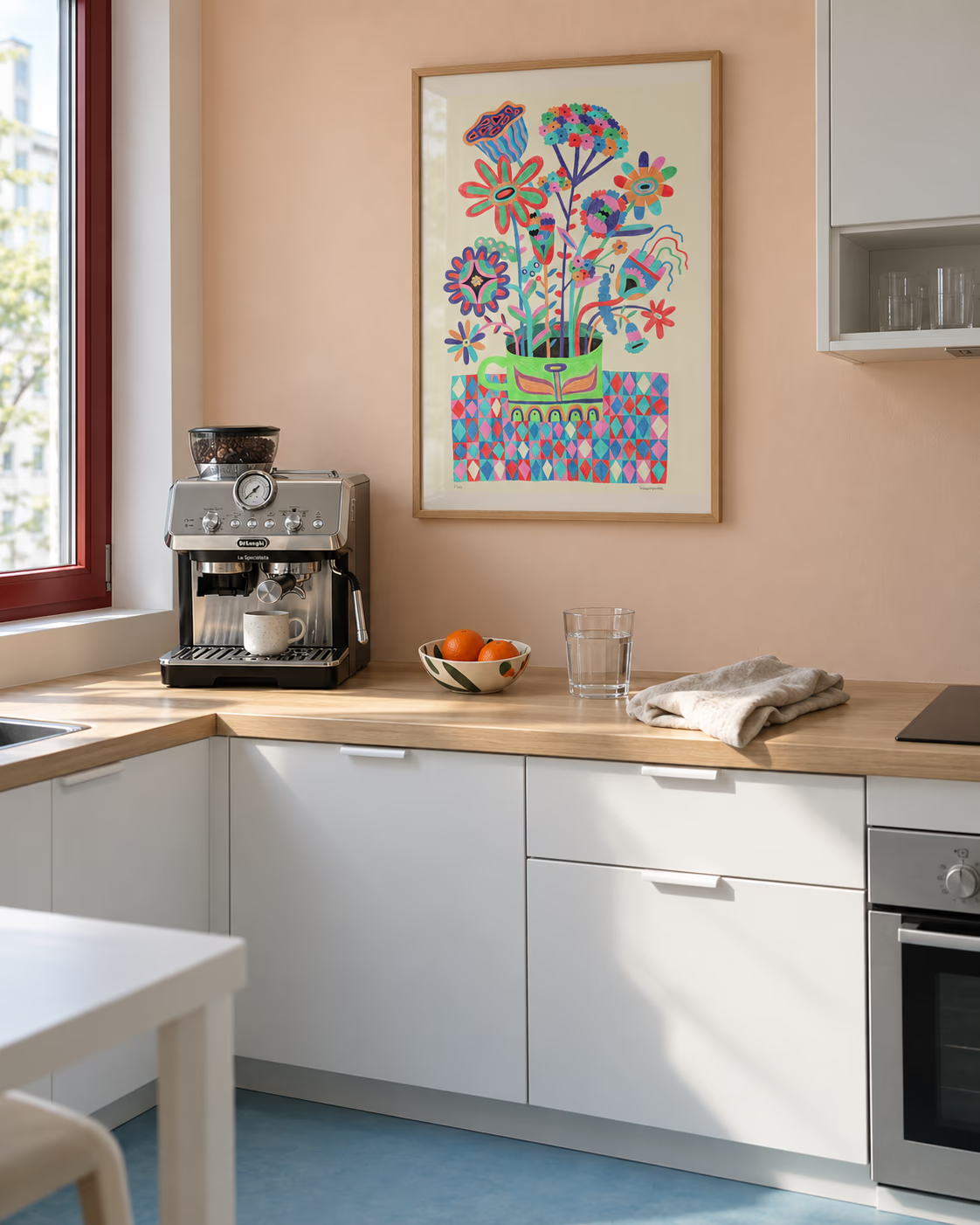
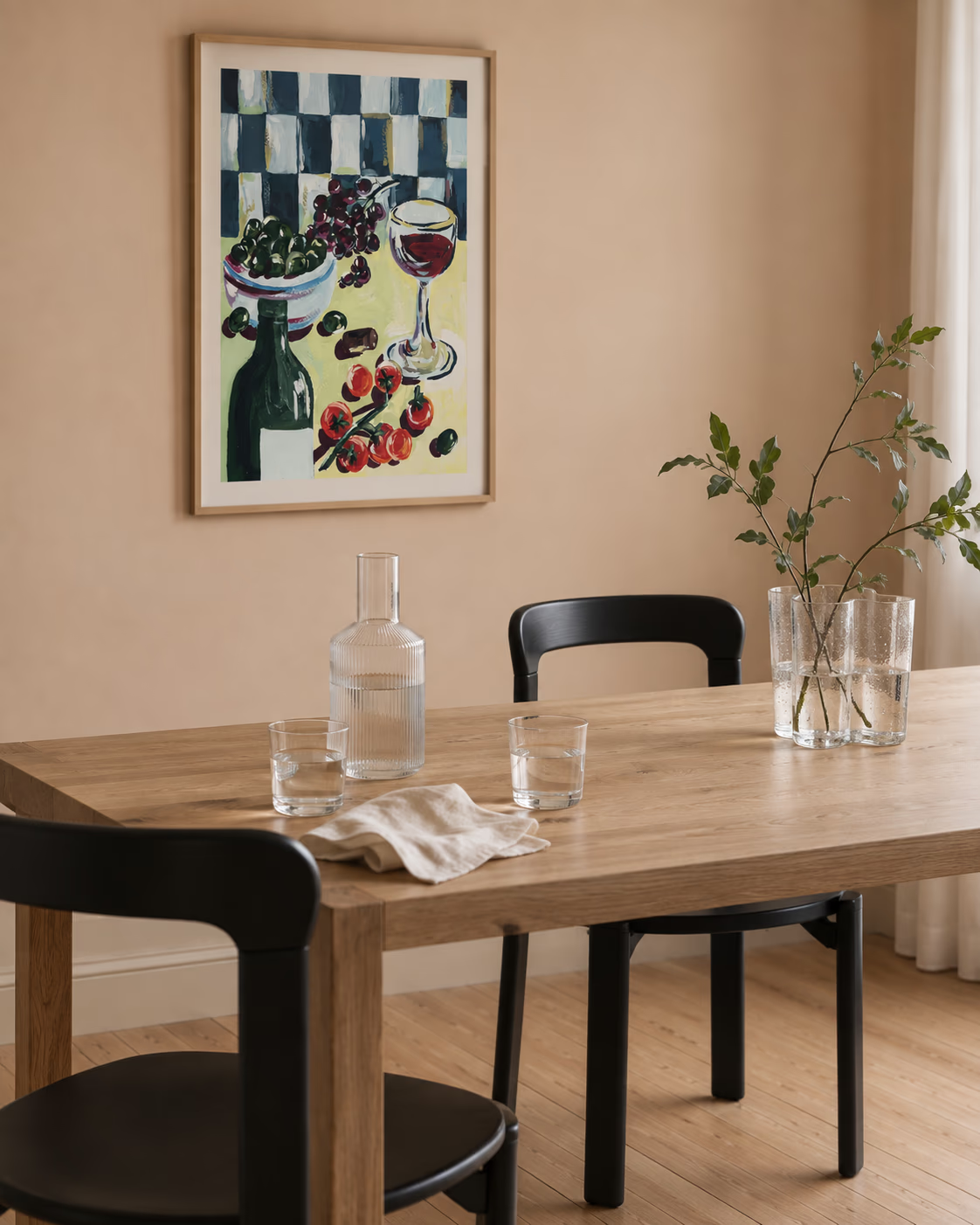
- Color scheme: While art doesn't need to match your décor perfectly, consider how it will interact with your existing color palette.
Define Your Art Preferences
Art is deeply personal. Take time to understand what styles, mediums, and subjects resonate with you:
- Visit galleries and museums: Expose yourself to different art forms and notice what catches your eye.
- Create digital collections: Use platforms like Pinterest or Instagram to save artwork you're drawn to and identify patterns in your preferences.
- Trust your instincts: The most important question is: "Does this piece move me?" If you feel a connection, that's often the strongest indicator you've found the right piece.
Types of Art to Consider
Paintings and Prints
From original canvases to limited edition prints, paintings offer endless variety:
- Original paintings: While often more expensive, original works have unique texture, depth, and the knowledge you own a one-of-a-kind piece.
- Prints: High-quality prints can be excellent alternatives to originals, especially for collectors on a budget. Look for limited editions signed by the artist.
- Digital art: The emerging world of digital art offers innovative options, including pieces that can change over time or respond to environmental factors.
Photography
Photography can capture moments, emotions, and perspectives in powerful ways:
- Black and white: Timeless and dramatic, black and white photography works in almost any décor style.
- Color photography: Can add vibrant focal points to minimal spaces or complement existing color schemes.
- Abstract photography: Offers the intrigue of abstract art with the realism of photography.
Sculpture and 3D Art
Don't limit yourself to wall art:
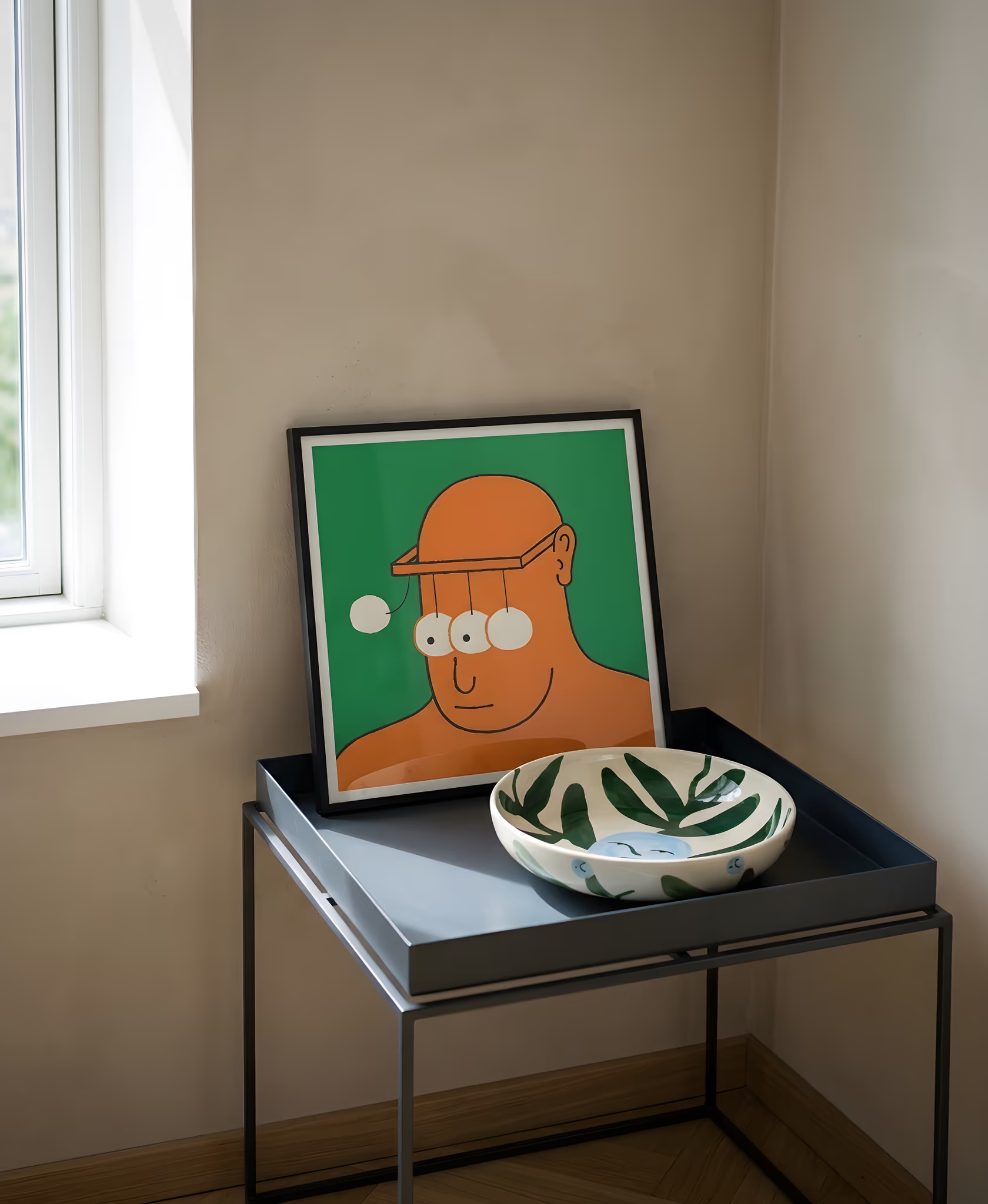
- Tabletop sculptures: Small sculptures can add interest to bookshelves, mantels, or side tables.
- Floor sculptures: Larger pieces can serve as statement pieces in spacious rooms.
- Mixed media installations: These can create truly unique focal points in your home.
Where to Find Art
The art world has never been more accessible:
- Local galleries: Support your local art scene and build relationships with gallery owners who can alert you to new artists or pieces.
- Art fairs: These events gather multiple galleries and artists in one place, allowing you to see diverse options in a single visit.
- Online platforms: Websites like Artsy, Saatchi Art, and Etsy connect collectors directly with artists worldwide.
- Student exhibitions: Art schools often host exhibitions where you can discover emerging talent at affordable prices.
Budgeting for Art
Art collecting doesn't have to break the bank:
- Set a realistic budget: Determine what you can comfortably spend before you begin searching.
- Consider art as an investment: While you should primarily buy what you love, some art can appreciate in value over time.
- Explore alternative options: Prints, photography, and works by emerging artists can be more affordable entry points.
Caring for Your Art Collection
Once you've chosen your pieces, proper care ensures they'll remain beautiful for years to come:
- Proper framing: Invest in quality, acid-free framing materials to protect works on paper.
- Avoid direct sunlight: UV rays can fade colors over time, particularly in photographs and watercolors.
- Regular maintenance: Dust sculptures and frames regularly with a soft cloth, and consider professional cleaning for valuable pieces.
Final Thoughts
Choosing art is a journey, not a destination. Your collection will likely evolve as your tastes change and your spaces transform. The most important rule is to select pieces that bring you joy and meaning.
Remember that empty walls are simply canvases waiting for your story to unfold. Take your time, trust your instincts, and soon you'll create a home gallery that not only enhances your space but also enriches your daily life.
Whether you're drawn to bold contemporary statements or subtle classical aesthetics, the perfect art for your space is out there—waiting for you to discover it.