The Complete Guide to Choosing Print Sizes for Your Home
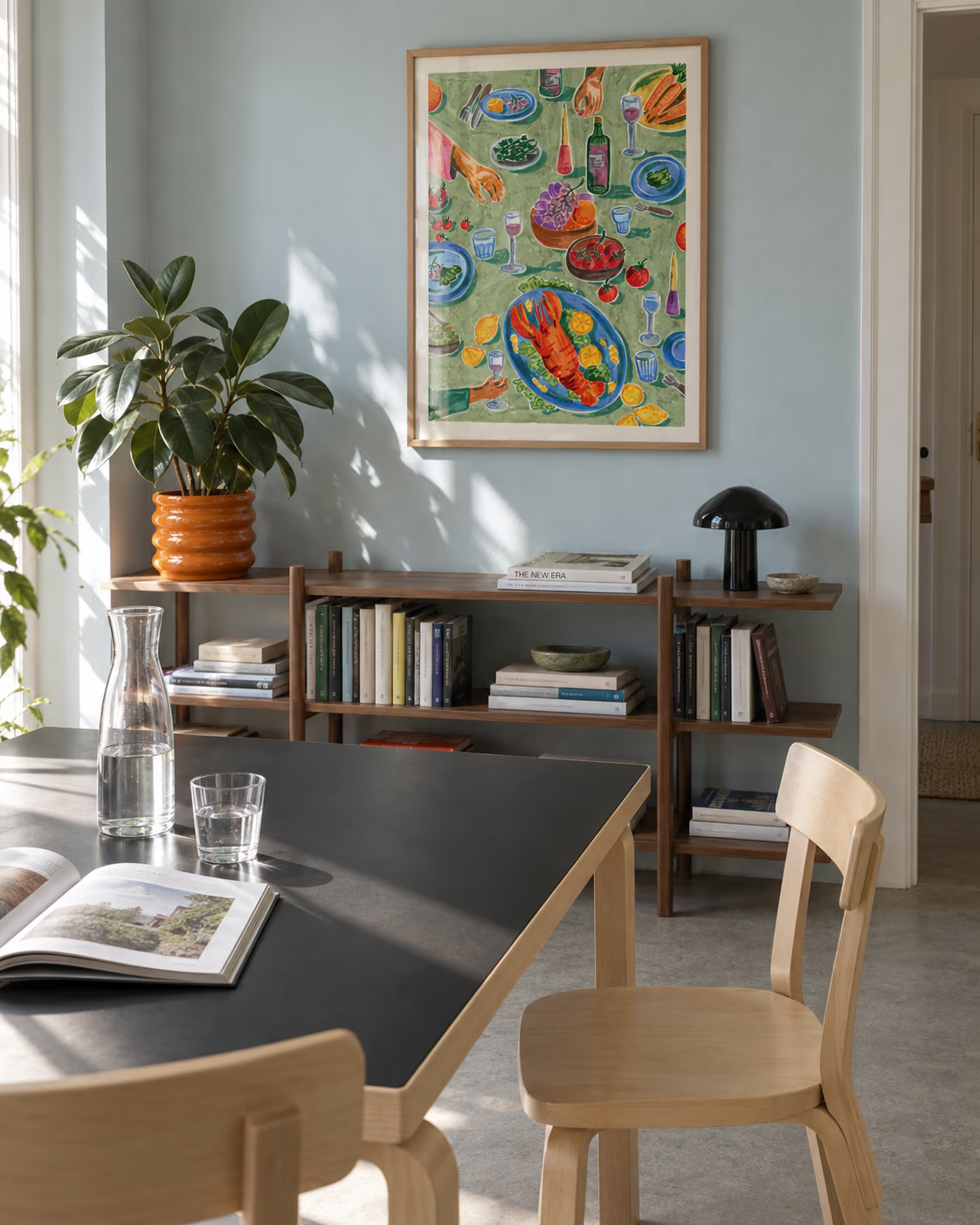
One of the questions we hear most is: what size print should I get? It's a surprisingly important decision. The wrong size can make a beautiful piece of art look lost on a large wall or cramped in a small space. This guide walks you through the sizes we print, from A3 up to 50 x 70 cm, so you can choose with confidence.
Sizes are chosen per artwork, and how they compare to A sizes
We don't squeeze every artwork into one format. Each print is made at the size that suits its proportions and resolution, and it comes in the size shown on its product page. At the moment that means:
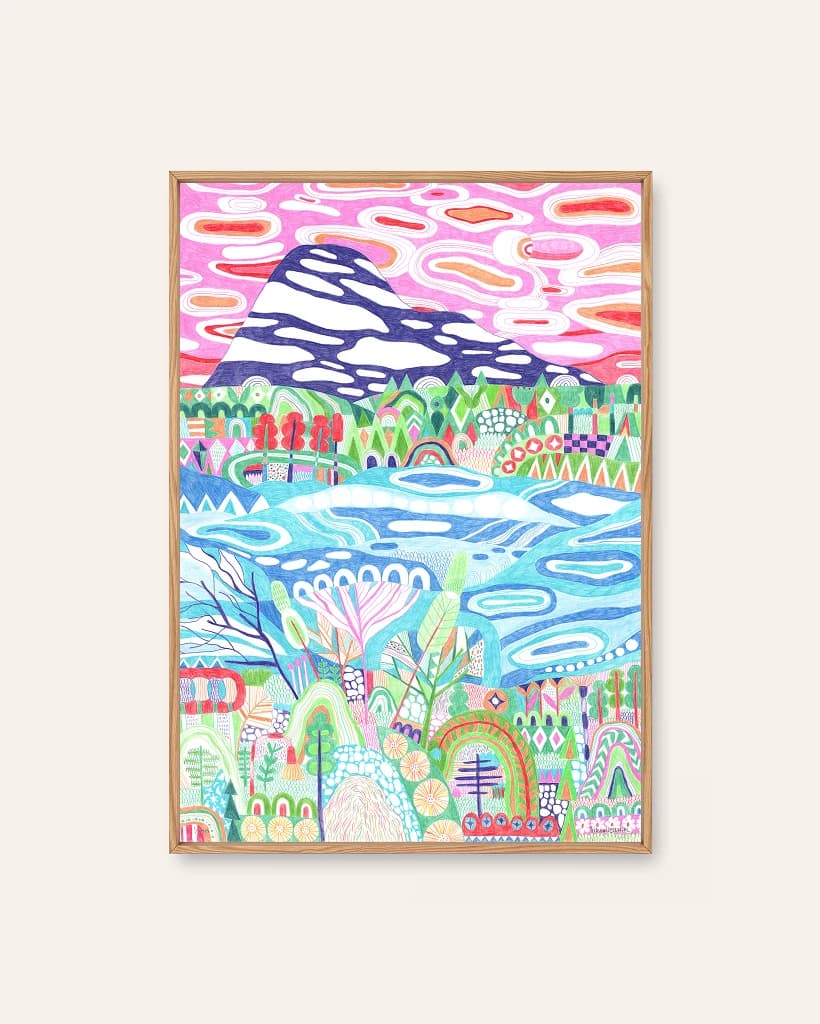
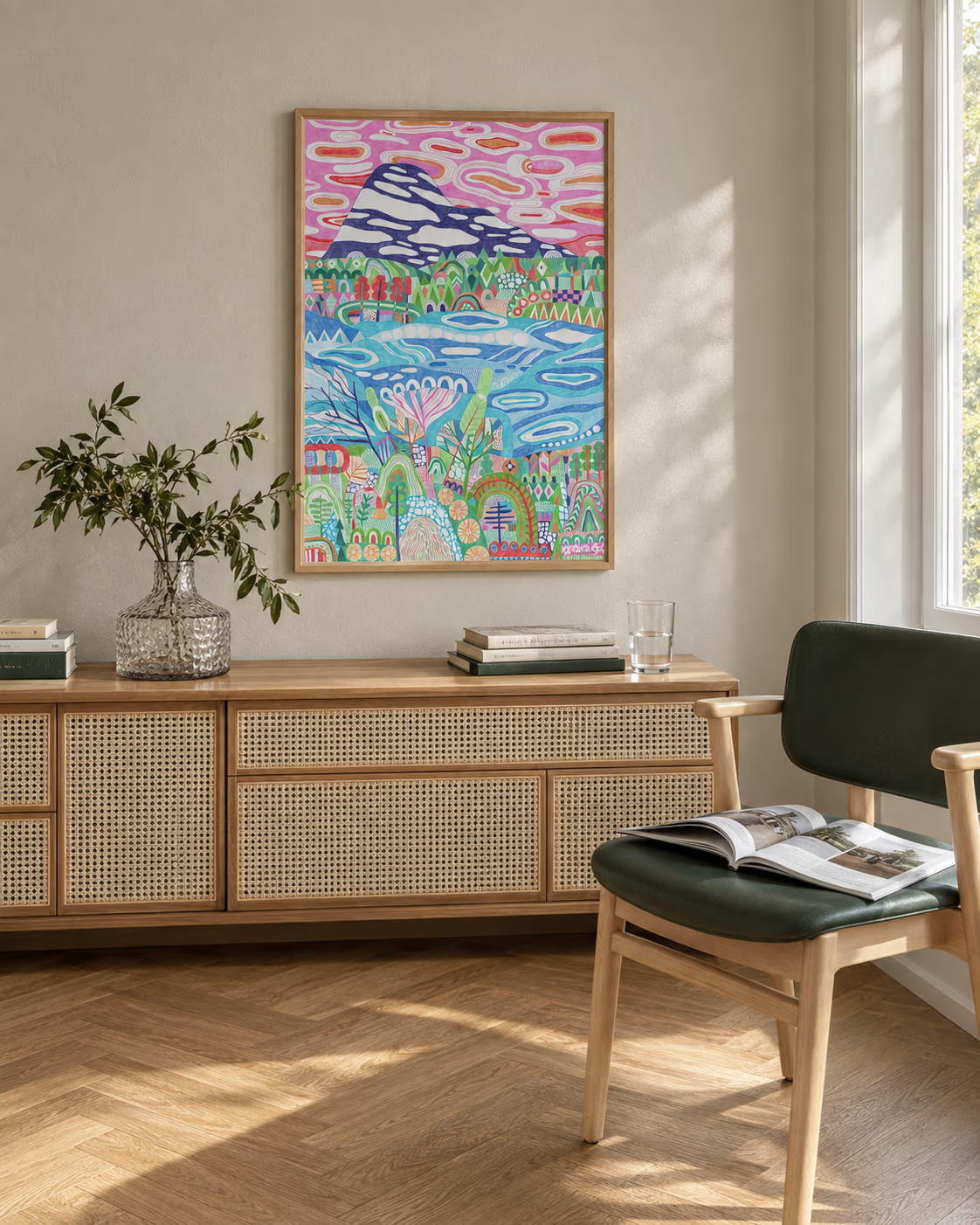
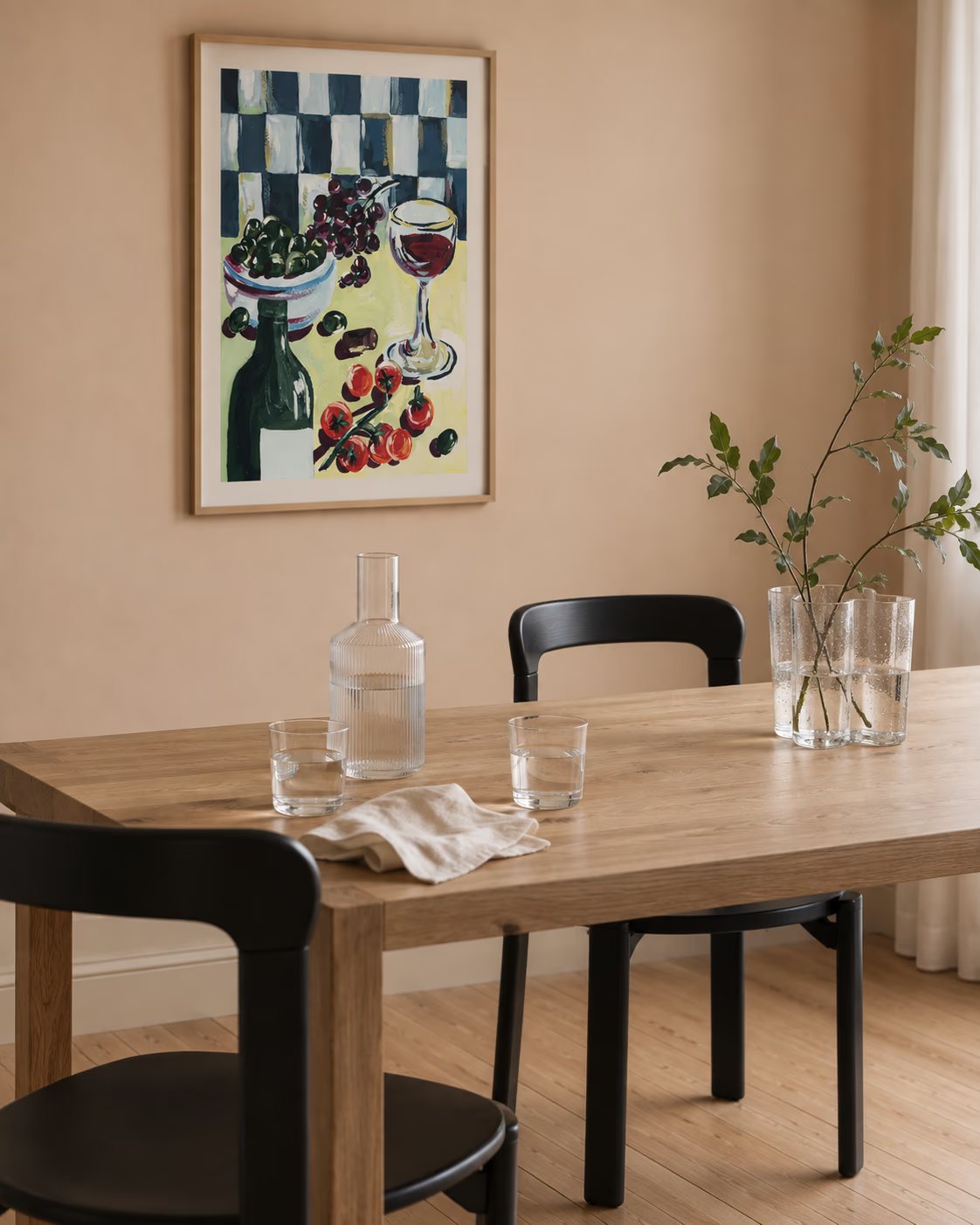
- 50 x 70 cm, the portrait most of the gallery uses.
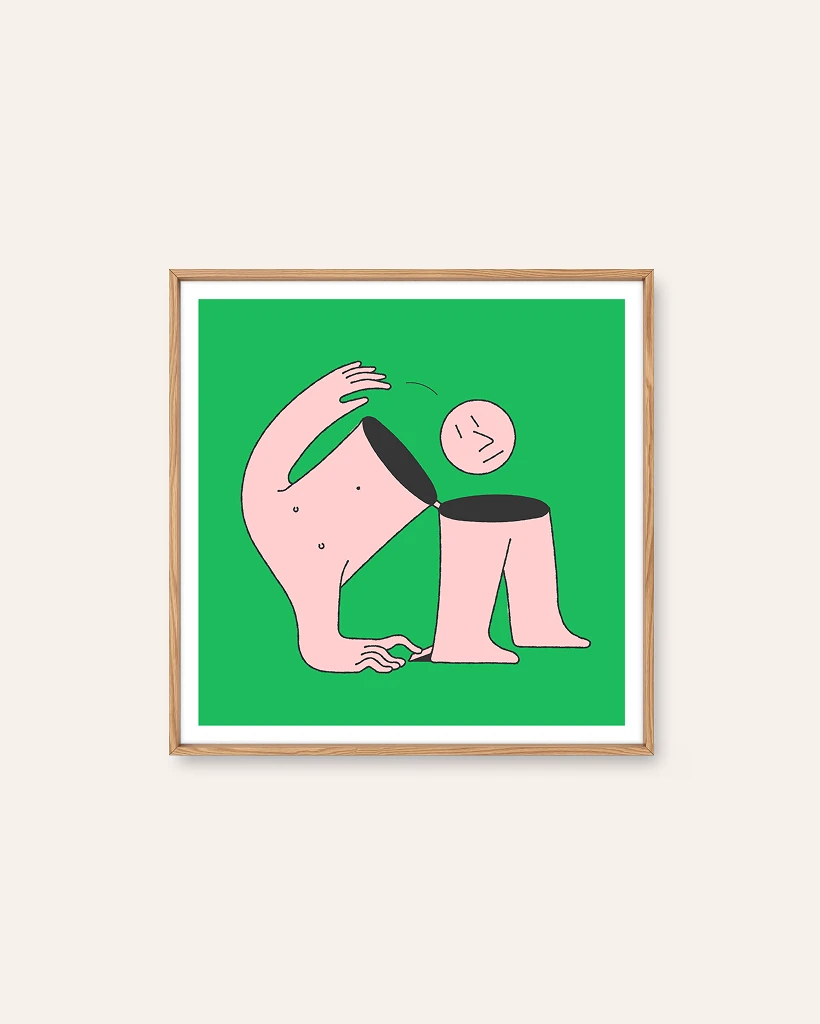
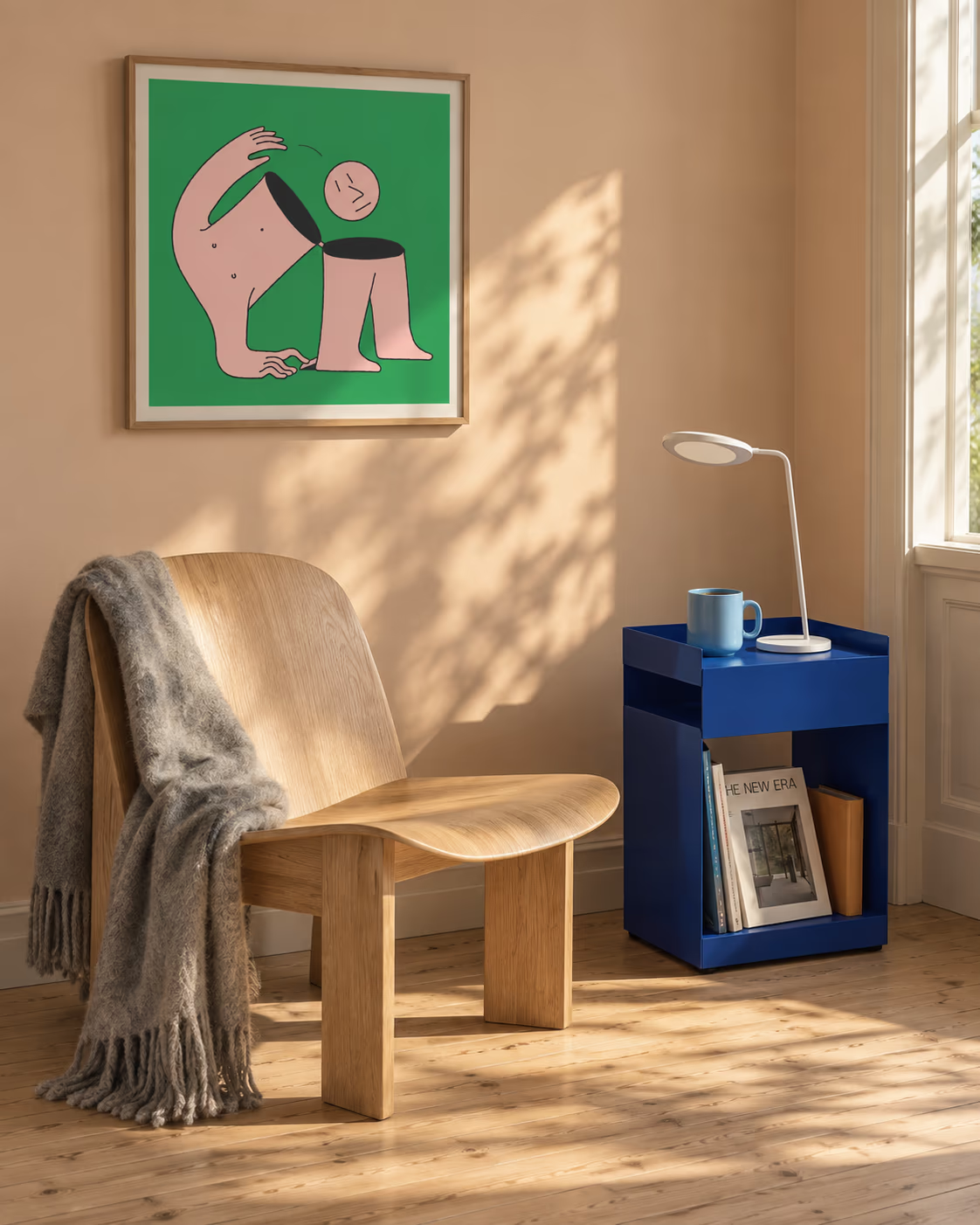
- 50 x 50 cm, the square, used for the illustrations and a few other pieces.
- 45 x 60 cm and 40 x 50 cm, for the photography, where the natural proportions of the photograph are kept rather than cropped to a poster ratio.
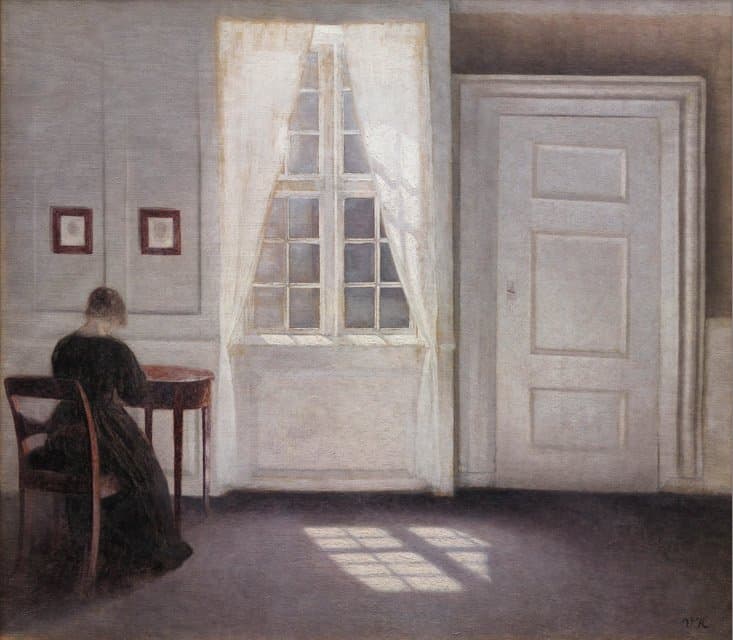
- A2 (42 x 59.4 cm) and A3 (29.7 x 42 cm), for a handful of paintings.
If you think in A-series paper sizes, here's where the others land. 50 x 70 sits between A2 and A1 (59.4 x 84.1 cm), with closer to A1's presence on a wall. 45 x 60 is a touch bigger than A2, and 40 x 50 sits between A3 and A2. The square has no A-series equivalent at all, which is one reason it's quietly useful: it sits well on a picture shelf and holds a narrow wall that a rectangle would crowd.
Mixing sizes on one wall works too. Match the frames rather than the sizes, and let the biggest piece anchor the group.
Room by room: which size works where
Living room
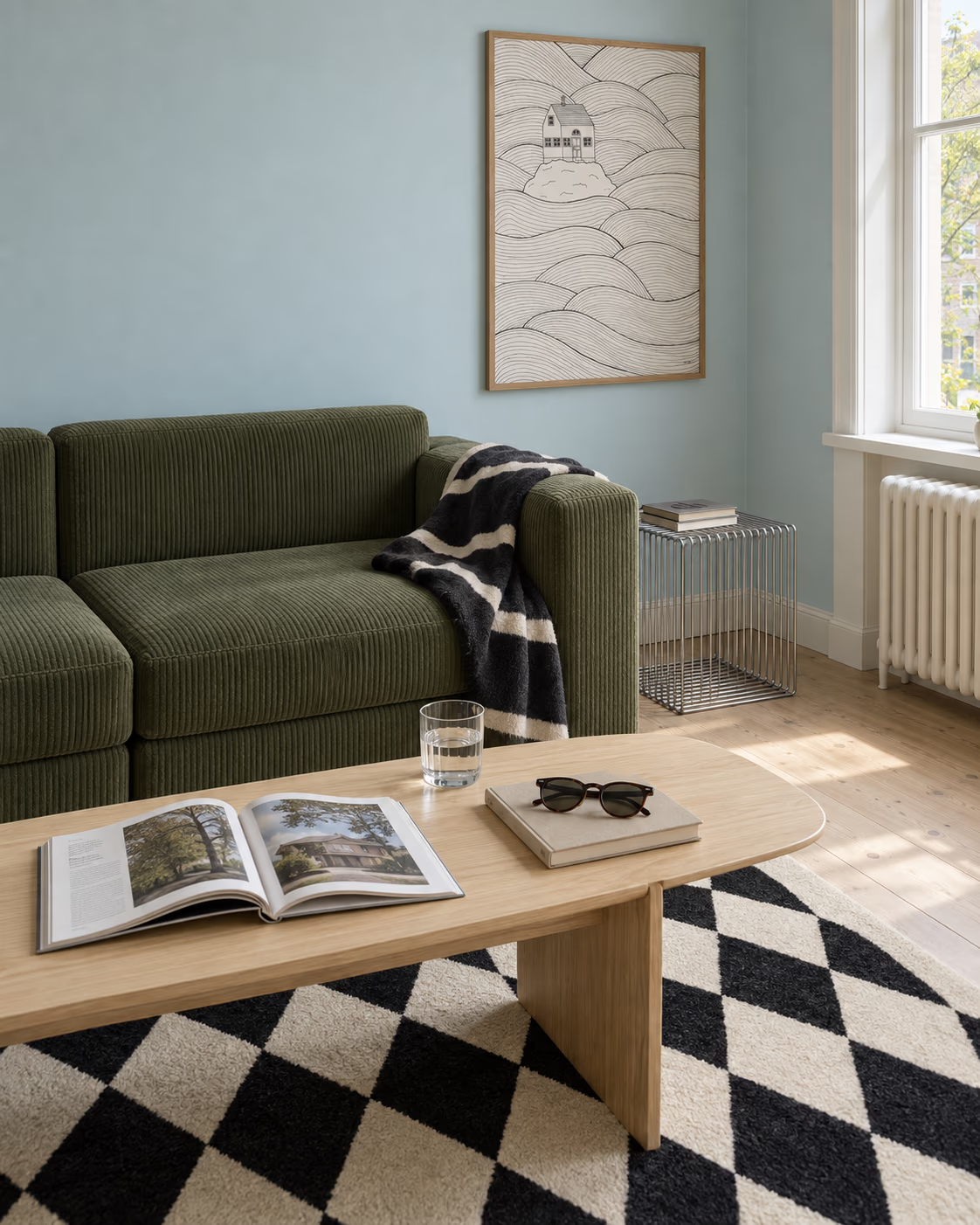
The living room is where most people want their most impactful piece. If you're hanging art above a sofa, the general rule is that the artwork should be roughly 60 to 75 per cent of the sofa's width. For a standard three-seater, that means one 50 x 70 as the minimum, and a pair side by side to really own the wall. A single small print above a large sofa will look lost; it's a common mistake that's easily avoided. The living room collection is picked with that wall in mind.
Bedroom
Above the bed, a 50 x 70 is the sweet spot: large enough to be the focal point without dominating a room meant for winding down. If your bed has a tall headboard, consider hanging the print slightly higher than you normally would. For bedside walls or the space above a chest of drawers, the 50 x 50 squares work perfectly. The bedroom collection gathers the calmer pieces that suit the room.
Hallway and entryway
Hallways are often narrow, so a single 50 x 70 cm print works well. Hang it at eye level; this is one space where you view art from close range, so the details matter. For a longer hallway, consider a series of the square 50 x 50 illustrations, spaced evenly along the wall.
Home office
A 50 x 50 square above or beside your desk adds personality to video calls and gives you somewhere to look that isn't the screen. Choose something that inspires without distracting; the home office collection leans characterful for exactly that reason.
The tape test: try before you buy
Here's a trick that interior designers use: cut a piece of paper or newspaper to the exact dimensions of the print size you're considering, and tape it to the wall where you plan to hang the artwork. Live with it for a day or two. You'll quickly get a sense of whether the size feels right for the space, and it costs nothing to test.
Does the frame change the size?
Yes, and it's worth accounting for. A frame adds a few centimetres to each side of the print, so if you're fitting art into a specific spot, between two windows, say, or above a piece of furniture with limited clearance, measure with the frame in mind. The frame itself, wood, black or white, is chosen on each product page.
When in doubt, go bigger
If you're torn between two sizes, our advice is to go with the larger option. Art that's too small for a space tends to look like an afterthought. A slightly oversized piece, on the other hand, creates intentional impact. It's far more common to regret going too small than too large.
The size and price of each print sit on its product page. Start from the whole gallery on our Scandinavian wall art page or from the room collections above, and once the size is settled, how to style Scandinavian wall art in the living room is the companion piece for placing it.